Clearwater is home base. Our shop is at 2372 Eastwood Dr, on the east side of town, and from there most of the city is a 10 to 15 minute drive. Clearwater Beach and Island Estates take a little longer, depending on Memorial Causeway traffic. Being this close helps in small ways. Material runs fit inside a workday, inspections and punch-list visits are easier to schedule, and a free on-site consultation doesn’t have to wait for a gap in the calendar.
Clearwater is also more than one kind of yard. The city stretches from the Gulf barrier islands across a bluff above Clearwater Harbor, then inland to the subdivisions of Countryside and east to the shore of Old Tampa Bay. A plan that works on a Skycrest ranch lot can fail on Island Estates, so we design for the street you actually live on.
Neighborhoods and the yards that come with them
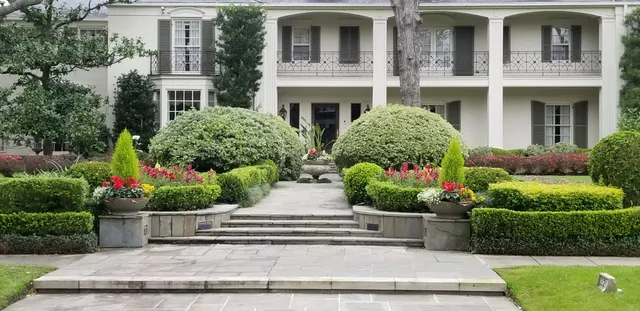
Harbor Oaks, just south of downtown, is a National Register historic district laid out in 1914. It has big trees, deep lots, and homes in Mediterranean Revival, Colonial Revival, Tudor, and bungalow styles. Landscape work there should fit the architecture: layered foundation planting, period-appropriate walks, and care around old root systems.
Skycrest and Morningside are mostly mid-century ranch neighborhoods on modest, flat lots. Common jobs here are an aging concrete driveway, foundation shrubs that have outgrown the windows, and an irrigation system nobody has really looked at in years. A refreshed front yard and a paver drive change these houses more than almost anything else.
Countryside, in the north end, is a newer planned area of HOA subdivisions with larger lots and more uniform streetscapes. Design there usually starts with the association’s architectural review: approved plant lists, paver colors, and submittal requirements. We plan the drawing so it can go straight into an HOA application.
Island Estates, Clearwater Beach, and Sand Key are coastal ground. Salt spray, wind, sandy fill, and storm surge all shape what will survive. The barrier islands are among the first areas ordered out when Pinellas issues hurricane evacuations, and much of the coastal city sits in mapped FEMA flood zones. Evacuation zones and flood zones aren’t the same thing, so check both for your address through the county’s Know Your Zone and flood map tools. Our plant palettes there start with salt-tolerant structure, like sea grapes, cabbage palms, coontie, and dune-tough groundcovers. Hardscape gets materials and joint details that hold up to standing water and blowing sand.
Soil, salt, and sun
Most of Clearwater sits on fine, fast-draining sand. Water moves through quickly and so do nutrients, so beds depend on real soil preparation, mulch, and plants that don’t need rich ground. Salt exposure is strongest on the islands and along the harbor and fades quickly inland. Outside the older canopy neighborhoods, most yards get full sun, and heat reflected off driveways and pavement can make a “full sun” plant struggle. Our Florida-friendly plant guide covers what holds up.
Local rules that shape a Clearwater project
- Trees: Clearwater requires a permit to remove any protected tree. The city defines that as a nonhazardous tree of four inches or more in diameter at breast height, plus certain palms with 10 feet of clear trunk. Removals tied to a construction project go through the building permit. We flag trees that conflict with a design early, so a permit or replacement planting is part of the plan rather than a surprise.
- Water: Southwest Florida Water Management District (SWFWMD) has had the region under a Modified Phase III water shortage order with one-day-a-week lawn watering. In September 2026 the District extended it through March 31, 2027. The City of Clearwater has said its schedule now applies to all sources, including reclaimed water. Schedules change, so check the city’s current notice or our watering restrictions guide before setting a controller.
- Fertilizer: Pinellas County prohibits applying nitrogen or phosphorus fertilizer to lawns and landscapes from June 1 through September 30. It also requires a 10-foot fertilizer-free zone from seawalls and water bodies, which matters on every waterfront lot in the city.
- Structures and utilities: Pergolas, attached shade structures, new electrical circuits, and gas lines for outdoor kitchens generally require building permits. We confirm requirements with the city for each project and schedule the licensed trades and inspections.
- HOAs: Florida law (s. 373.185, F.S.) says deed restrictions can’t prohibit Florida-friendly landscaping, but HOAs keep their approval process. We prepare plans to go through review.
What we build in Clearwater
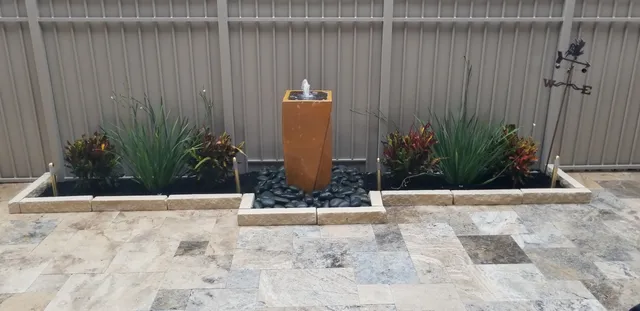
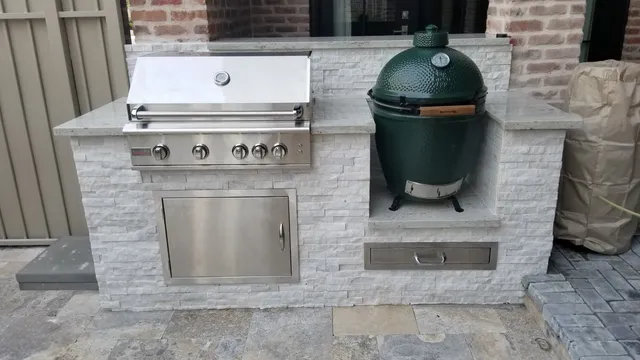
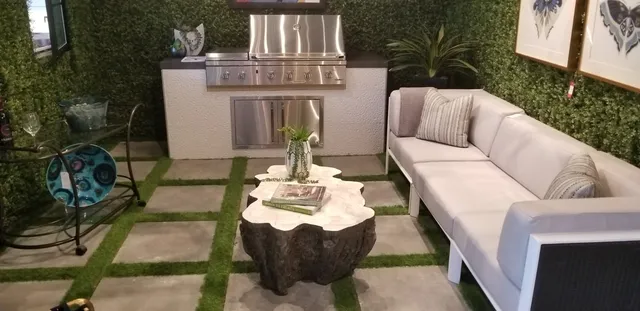
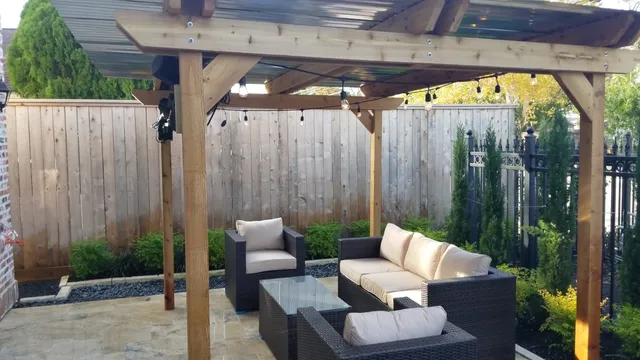
Our focus is the backyard and the curb: paver patios and driveways in Clearwater built on a base that suits the sand, and outdoor kitchens in Clearwater with materials chosen for salt air. We also install artificial turf for the spots where grass keeps failing, plant flowers, shrubs, and shade trees that handle Clearwater sun and salt, and build pergolas anchored for Florida wind. Maintenance is available once the work is in.
Every project starts the same way: a free on-site walk-through, a look at sun, drainage, salt exposure, and any HOA or permit requirements, and then a written proposal. Request a free quote and we’ll set up a visit.
Neighborhoods we know well
- Countryside
- Skycrest
- Morningside
- Harbor Oaks
- Island Estates
- Clearwater Beach
- Sand Key