On a summer afternoon in Pinellas County, a patio without shade sits empty. A pergola or shade structure turns that space into somewhere you actually spend time: over the dining table, the grill, or the lounge chairs by the pool. We design shade around where you sit and where the sun comes from, then build it to stand up to salt air and storm season.
What we design and build
- Freestanding pergolas over a patio, fire pit, or garden seating area
- Attached pergolas and patio covers that extend shade off the house
- Louvered aluminum pergolas with adjustable blades for sun or rain cover
- Wood pergolas in rot-resistant or treated lumber
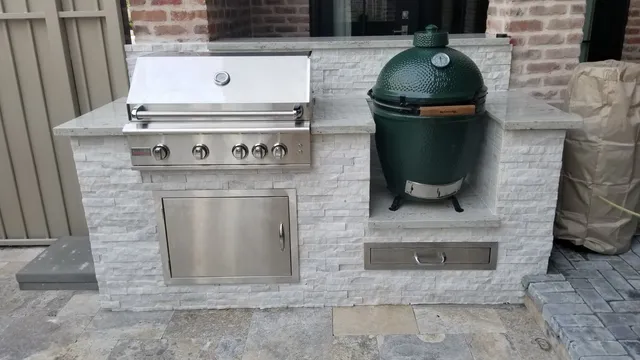
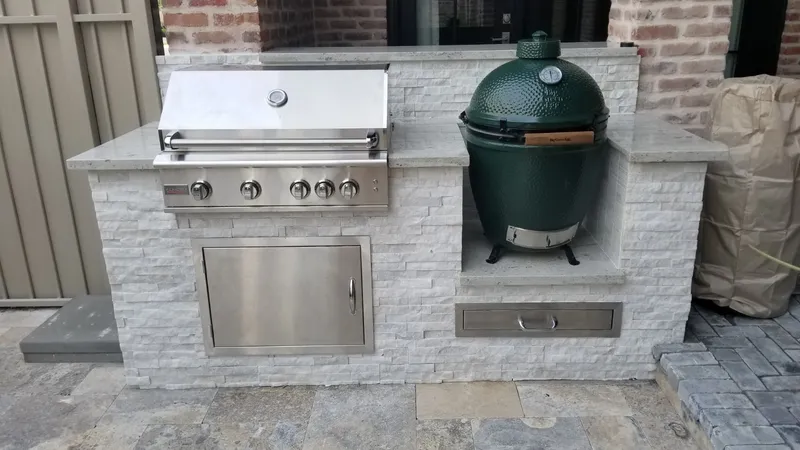
- Shade over outdoor kitchens and pool areas
- Privacy screens and shade panels on one or more sides
- Lighting and ceiling fans, with the electrical planned in from the start
- The paver patio underneath, plus planting to soften the edges
Built for Pinellas conditions
Afternoon sun. The sun that drives people indoors comes from the west and southwest in the late afternoon. We study where your seating sits at that time of day and orient the structure, rafter spacing, and any side screens to block it. Sometimes shifting a pergola a few feet makes more difference than making it bigger.
Wind and hurricanes. A shade structure is only as strong as its footings and connections. We set posts on proper footings for Pinellas sand and use rated connectors and hardware rather than relying on posts sunk in loose soil. Our hurricane season yard prep guide covers what to do before a storm.
Permits. Fixed structures generally require a permit in Clearwater, Largo, and St. Petersburg, and the rules depend on size, location on the lot, and whether the structure attaches to the house. Fans and lighting add electrical work, which needs licensed trades. We confirm what your project needs before construction, and we call 811 to have underground utilities marked before digging footings.
Salt air. Near Clearwater Beach, the Intracoastal, and the bays, ordinary steel hardware rusts quickly. We specify coated aluminum, stainless hardware, and finishes suited to your exposure.
Termites and rot. Wood can work well here, but it needs rot-resistant or treated lumber, post bases that keep the wood off wet ground, and regular sealing or staining. Aluminum avoids those issues, which is one reason it’s popular in coastal neighborhoods.
HOA review. Many associations want to approve pergolas, including size, color, and placement. We prepare drawings and material selections for the architectural review so approval doesn’t hold up the schedule.
Storm prep for fabric. Shade sails, fabric canopies, and outdoor curtains catch wind. Plan for them to come down before a storm, and we’ll set them up so that’s quick to do.
How a project works
- Free on-site consultation. We look at sun angles, how you use the space, utilities, and what the structure will sit on.
- Design and itemized quote. You get a layout, material and finish selections, and a proposal that spells out footings, structure, hardware, and any electrical, so you can compare bids line by line.
- Build. Permits where required, utility locate, footings, structure, and finishes, plus lighting and fans if included, coordinated with any patio or kitchen work.
- Care. We go over cleaning, finish care for wood or aluminum, and what to take down or secure before a storm.
If the pergola is part of a bigger backyard plan, see outdoor kitchens and paver patios.
Where we work
We’re based on Eastwood Drive in Clearwater and build pergolas and shade structures across our Pinellas County service area:
Request a free quote or book an on-site consultation to start planning.