A patio, driveway, or walkway is structure, not decoration. On Pinellas sand, the layers under the pavers matter more than the pavers themselves. We build hardscape carefully: proper excavation, base compacted in layers, an even bedding layer, edge restraint around the whole field, and a planned route for the water.
What we build
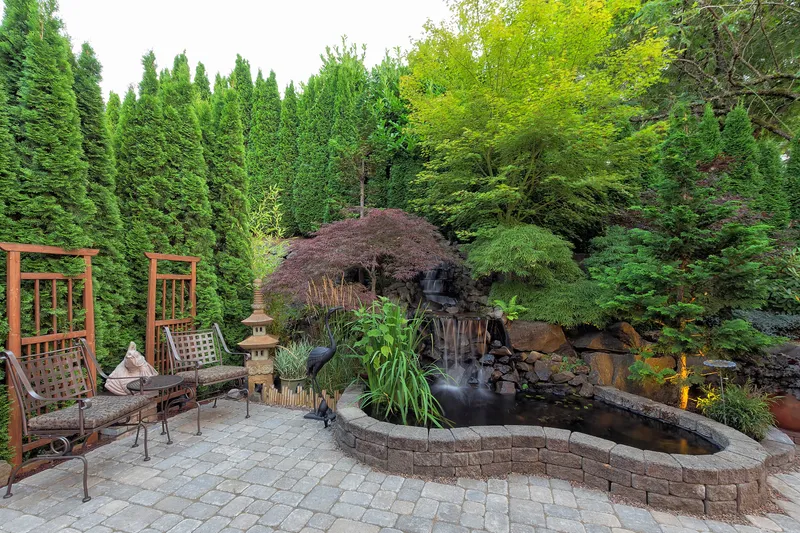
- Patios in concrete pavers, travertine, and other natural stone, sized for how you actually sit, cook, and entertain
- Driveways and parking pads, with a deeper base built for vehicle loads and a clean transition at the street
- Pool decks and walkways, including front entry walks
- Retaining and seat walls to level a slope or add built-in seating
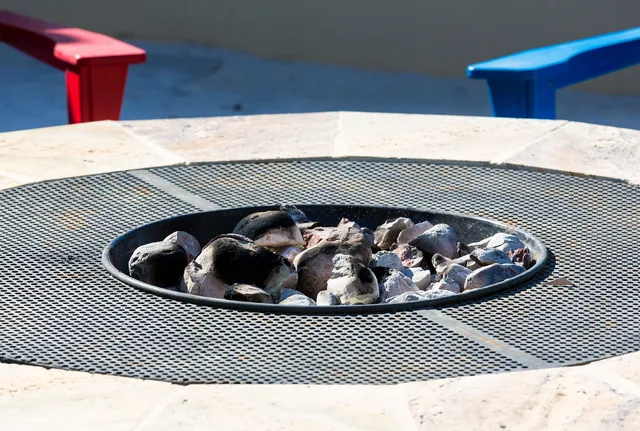
- Fire pit surrounds that tie into a patio
- Drainage built into the hardscape: pitched surfaces, channel drains, and connections to dry wells or swales where needed
- Paver restoration: cleaning, re-sanding joints, sealing, and relaying settled sections
Built for Pinellas conditions
Sandy soil and a high water table. Sand drains fast but shifts when water moves through it. In many Pinellas neighborhoods, groundwater sits close to the surface during the rainy season. We size the base for the load (driveways need more than patios), compact it in lifts, and lock the edges so the field can’t creep.
Summer storms. A heavy afternoon storm can drop a lot of water in a short time. Every surface we build is pitched away from the house, and we plan where that water goes, whether that’s a lawn, a planting bed, or a drain. A patio that ponds at the back door, or washes out the bedding sand at its edges, wasn’t finished.
Heat, UV, and salt air. Lighter-colored pavers and natural stone such as travertine stay more comfortable underfoot in August than dark materials. Near the Gulf and the bays, salt air and humidity encourage mildew and efflorescence. Regular cleaning and, if you choose, sealing keep surfaces looking right.
Retaining walls in flat country. Pinellas is mostly flat, so walls here are usually about leveling a yard, raising a planting bed, or framing a patio rather than holding back a hillside. They still need a compacted footing, drainage behind the wall, and a plan for where that water goes, because a wall with saturated sand behind it pushes and leans.
Permits, utilities, and HOAs. Before digging, we call 811 so underground lines are marked. Driveway work at the street often involves the city’s right-of-way rules, and a change in impervious area can trigger review. HOAs commonly want to approve materials and colors. We find out what applies to your address in Clearwater, Largo, or St. Petersburg before work begins.
Working with the landscape. Hardscape changes where water goes and what your plants get. We adjust irrigation so heads aren’t spraying the new patio, and we plan the planting edges so the finished project looks like one design. Pinellas County’s fertilizer ordinance also requires that any fertilizer landing on pavement be swept back onto the landscape, which is one more reason to keep beds and hard surfaces cleanly separated.
How a project works
- Free on-site consultation. We measure, look at grades and drainage, and talk through use, style, and budget.
- Design and quote. You get a layout and an itemized proposal that spells out excavation, base material and depth, paver selection, edge restraint, and joint sand, so you can compare bids line by line.
- Build. Utility locate, excavation, base, laying, cutting, compaction, joint sand, and cleanup.
- Care. We go over cleaning, joint sand top-ups, and sealing options so the surface lasts.
For a sense of budget before we meet, read our paver patio cost guide. If the patio is the start of a bigger backyard plan, see outdoor kitchens and pergolas.
Where we work
We’re based on Eastwood Drive in Clearwater and build hardscapes across our Pinellas County service area:
- Clearwater: paver patios and driveways in Clearwater
- Largo: paver patios and driveways in Largo
- St. Petersburg: paver patios and driveways in St. Petersburg
Get a free quote or book an on-site consultation to get started.